
Losing a tooth can affect far more than appearance alone. Missing teeth may change the way you eat, speak, and smile, while also creating long-term oral health concerns if left untreated. Even a single gap can place extra pressure on surrounding teeth and gradually affect the alignment of your bite.
At Pinner Green Dental, many patients ask what the best solution is after losing a tooth. The answer depends on several factors, including the number of missing teeth, the condition of the gums and jawbone, lifestyle preferences, and overall treatment goals. Fortunately, modern dentistry offers several reliable ways to restore both function and appearance.
Whether tooth loss happens because of injury, decay, gum disease, or ageing, understanding the available treatment options can help patients make more informed decisions about their oral health.
Some people assume that replacing a lost tooth is mainly cosmetic, especially if the gap is not immediately visible. However, untreated tooth loss can lead to a variety of dental problems over time.
Teeth naturally help keep each other in position. When one tooth is lost, surrounding teeth may slowly begin shifting into the empty space. This movement can affect the bite and make cleaning more difficult, increasing the risk of decay and gum disease.
Gaps in your teeth can also contribute to:
Getting early replacement solutions can help prevent these issues and support better long-term oral health.
Dental implants are often considered one of the most advanced and long-lasting solutions for tooth replacement. Implants are designed to replace the root of a missing tooth using a small titanium post that integrates with the jawbone. Once healing is complete, a custom-made crown is attached to restore the visible part of the tooth.
One of the main advantages of dental implants is that they closely mimic natural teeth in both appearance and function.
Dental implants may be suitable for replacing a single tooth, several teeth, or even supporting full-arch restorations. Patients with healthy gums and sufficient jawbone are often good candidates for implant treatment.
Although implants usually involve a longer treatment timeline compared to other options, many patients appreciate the durability and natural feel they provide.
A dental bridge is another common solution for replacing missing teeth. Bridges work by filling the gap with an artificial tooth that is anchored to neighbouring teeth on either side.
This option may be suitable for patients who want a fixed replacement without undergoing implant surgery. Dental bridges are custom-made to blend naturally with surrounding teeth and restore normal chewing activity.
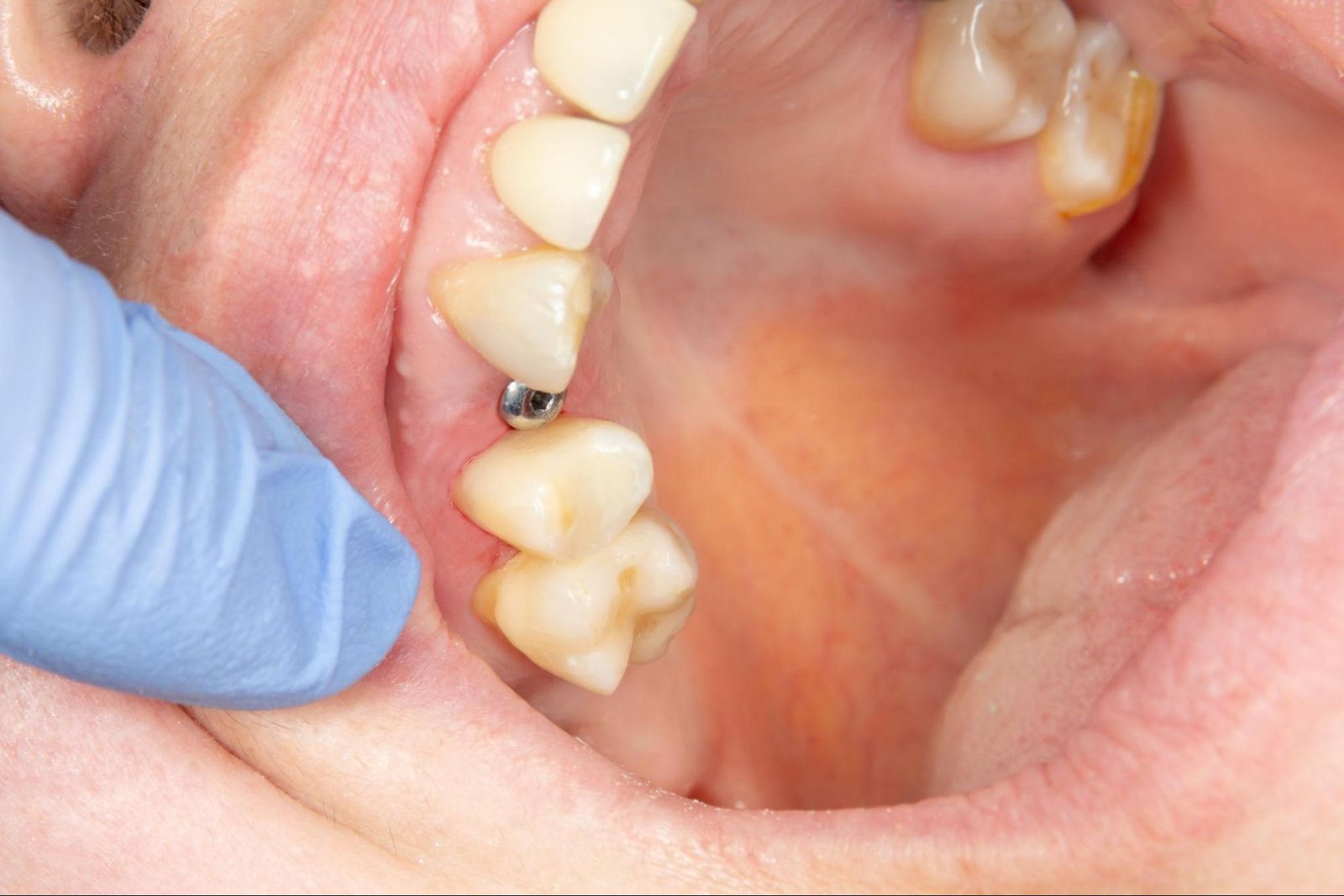
However, bridges usually require preparation of the supporting teeth, which may not always be ideal depending on the condition of the rest of the teeth.
Patients considering bridges often benefit from discussing both short-term and long-term expectations with their dentist before deciding on treatment.
Dentures remain a widely used and effective method for replacing missing teeth, particularly when several teeth are missing. Modern dentures are significantly more comfortable and natural-looking than the older versions many people remember.
Dentures can be either partial or complete depending on how many teeth need replacing.
Partial dentures are used when some natural teeth remain. They help fill gaps while preventing remaining teeth from shifting position.
Full dentures replace all teeth in the upper or lower jaw. They are custom designed to improve appearance, speech, and chewing function.
Some patients may also combine dentures with implants for additional stability and comfort.
There is no single treatment that suits every patient. The most appropriate option depends on several individual factors.
Number of Missing Teeth
A single missing tooth may be well suited to an implant or bridge, while multiple missing teeth may require dentures or implant-supported solutions.
Jawbone Health
Patients considering implants need to have a stable jawbone support. In some cases, bone grafting procedures may be recommended beforehand.
Budget and Long-Term Goals
Different treatments vary in cost, longevity, and maintenance requirements. Some patients prioritise durability, while others prefer a shorter treatment process.
Overall Oral Health
Healthy gums and good oral hygiene habits are important for maintaining any tooth replacement option successfully.
Discussing these factors with a dentist can help patients choose the most suitable treatment based on their personal circumstances.
At Pinner Green Dental, patients can receive personalised advice and treatment planning for missing teeth. The practice offers modern restorative solutions designed to improve both oral health and confidence.
Whether you are considering dental implants, bridges, or dentures, the team can explain the benefits of each treatment and help determine which option best suits your needs.
If you are looking for where to replace missing teeth in Pinner, then why not take the first step and book a consultation with US.
< Back to Blog